


Demand for industrial space remains strong, and rents are rising despite a shortage of supply
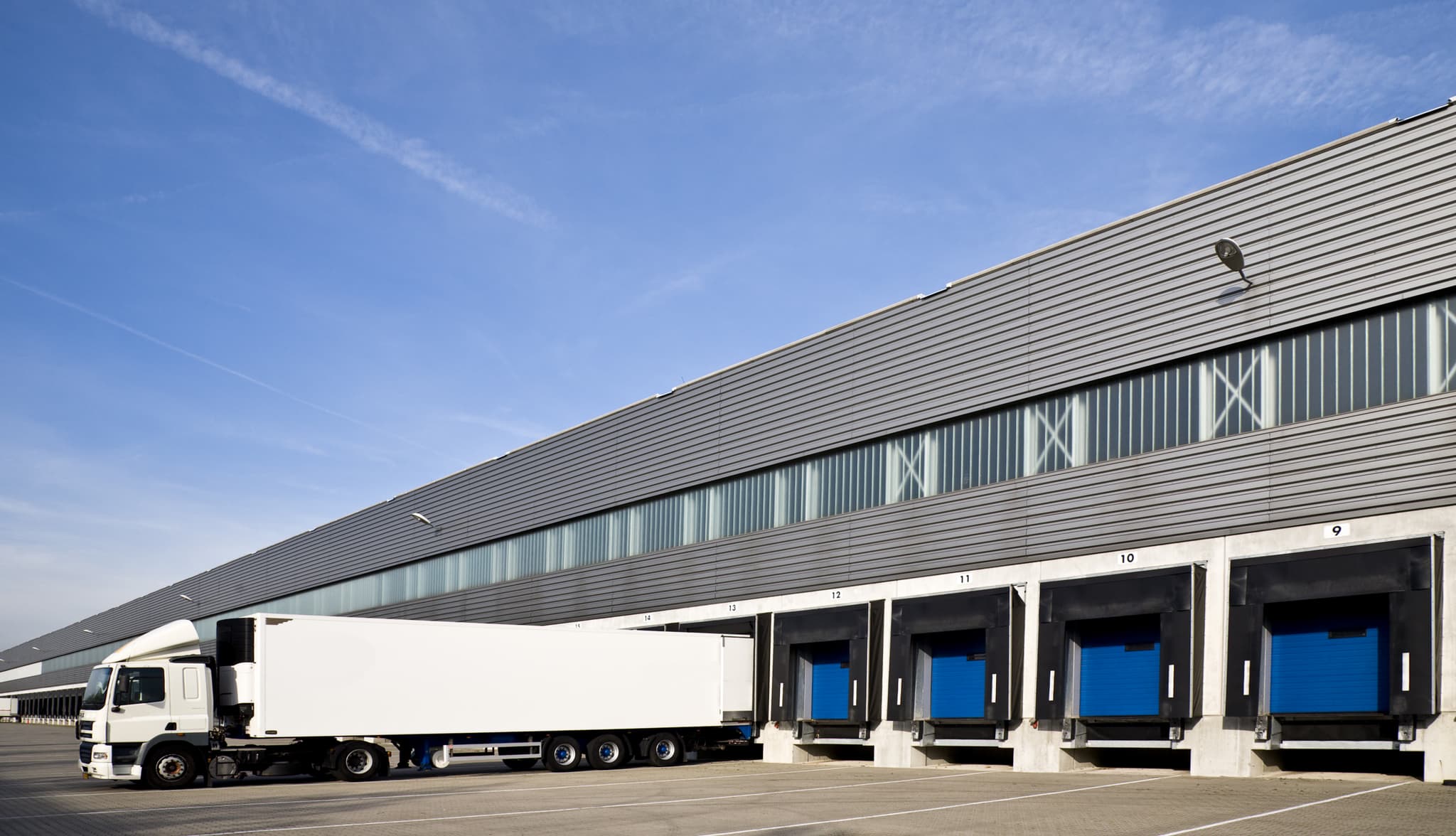
The key driver of rent growth is a structural shortage of land and new construction. The supply of new warehouses is lagging behind demand, which keeps pressure on rents even as the overall market slows. Demand for large facilities is driven by logistics operators (3PLs), which accounted for nearly half of take-up over the past twelve months; transactions exceeding 20,000 m² rose by 69% year-over-year. The risk of oversupply remains limited—the average vacancy rate in Europe hovers around 6%.
Investments in industrial and logistics properties reached 7.5 billion euros (-21% year-over-year), as the market reacted to rising government bond yields (an average of +25 basis points per quarter) and a new wave of geopolitical uncertainty. Despite the slowdown, the segment has been strengthening over the long term: its share of total commercial investment has risen from 15% in 2017 to 24% today.
In Central Europe, prime logistics rents stand at 90 euros/m²/year in Prague, 75 in Budapest, 74 in Bratislava, 66 in Warsaw, 60 in Katowice, and 58 in Bucharest.
“The fundamental story of the logistics sector remains unchanged—there is demand for high-quality warehouses, but there is a shortage of land, and new projects are being built slowly. This keeps rents high even as investment activity has cooled. In Central Europe, this supply shortage is even more pronounced than in the West.” — Matěj Indra, Head of Industrial Agency, 108 Real Estate,
Data source: BNP Paribas Real Estate, Q1 2026.